Dispose your waste properly
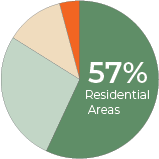
Source: https://legacy.senate.gov.ph
/publications/SEPO/AAG_
Philippine%20Solid%20Wastes_Nov2017.pdf
Only 54.81% is collected and disposed properly
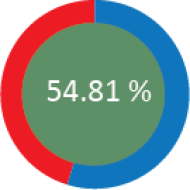
Solid-waste management practices of households in Manila, Philippines – PubMed (nih.gov)
GEN Z: Need to step up as Stewards of the environment
In our current time, there is a drastic need for environmental sustainability as
pollution and waste management problems are evident in our country’s forefront. We
expect the younger generations – often hailed as the most aware of social problems
attributed to their usage and accessibility of information on the internet – to be ones
taking initiative to lead in right practices, however, based on the observations of
the research most Gen Z do not practice proper waste management in
their households despite being very vocal on supporting for environment.
The Disconnect Between Acknowledging an advocacy and Acting on advocacy
Gen Z, born between the late 1990s and early 2010s, has grown
up now. They live in a world increasingly aware of environmental issues.
They are are the generation of Greta Thunberg known activist, climate strikes and protests,
products that harm groups of individuals. Yet, when it comes to day-to-day
actions like waste segregation, recycling, and reducing household waste, there
seems to be a cognitive gap between their advocacy and actual behavior.
Moving Forward: How Gen Z Can Lead the Change
Biodegradable waste consists of materials originate from living organisms
Food scraps, papers, cloth, or any materials that decompose in a reasonable amount of time
Non-biodegradable waste are discarded materials that cannot decompose for long periods of time and as such can last years without decaying. Most of these items are manufactured and can be seen in most packaging.
These are commonly:
Hazardous waste are materials that have chemicals that should not be left anywhere as they contain chemicals that are harmful to the environment (ie flammable, chemical poisoning, etc.).
Some of these items can be brought or deposited to junk shops to be properly disposed of.